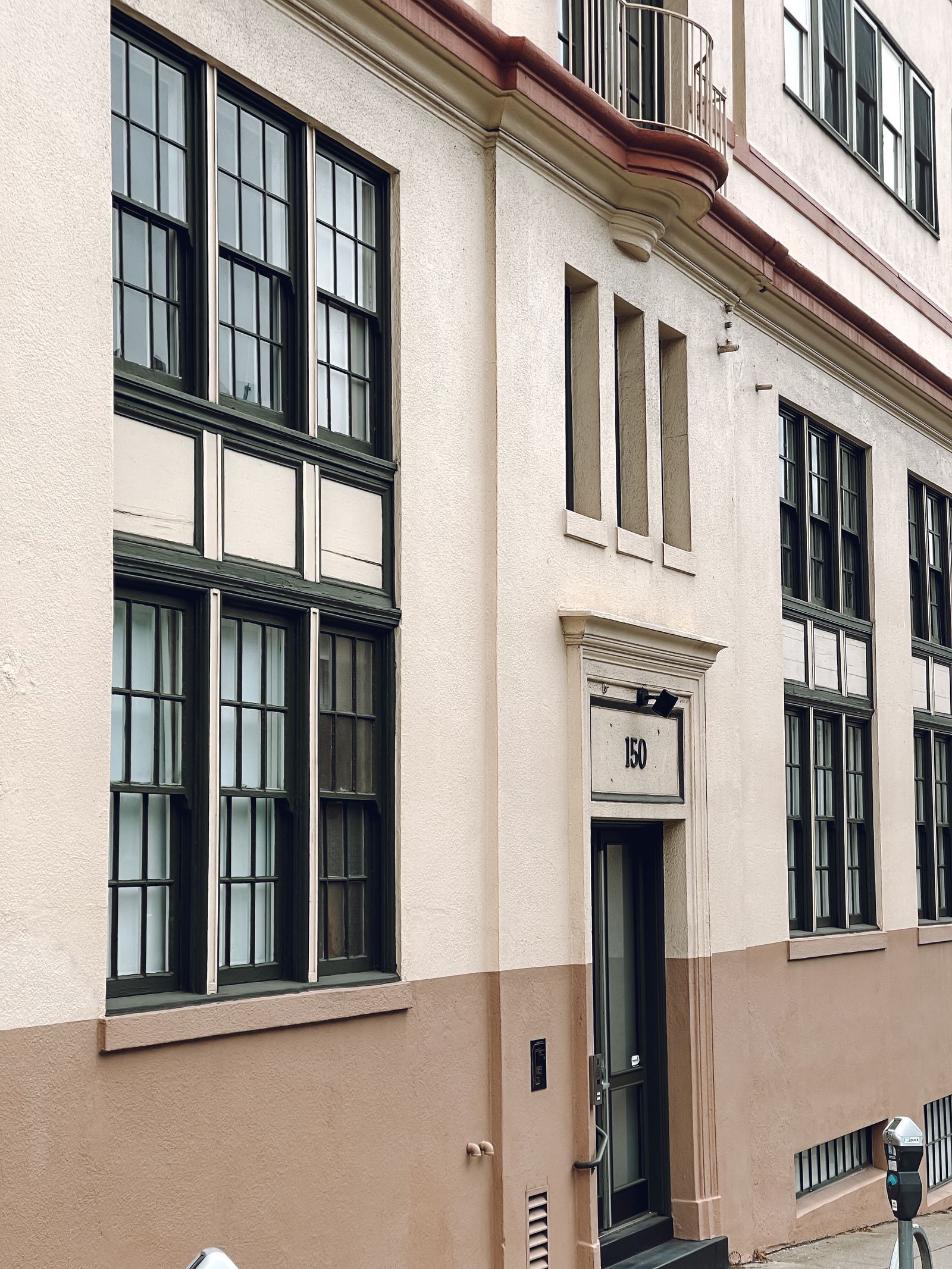
Start with the Topeka facade, not the stain alone
Topeka commercial exteriors can combine brick and mortar, precast concrete, tilt-up panels, stucco, EIFS, painted metal, insulated panels, stone veneer, storefront glass, canopies, and repaired sections. Downtown Kansas Avenue frontage may place offices, restaurants, apartments, sidewalks, deliveries, and public entrances in a compact work zone. A Wanamaker Road retail property may add customer parking, drive lanes, monument signs, landscaping, loading activity, and multiple tenant schedules. A medical or government corridor property may need patient drop-off, visitor access, security, and air intakes protected. Industrial corridors may add truck courts, gates, overhead lines, and shift changes.
Soft washing may be appropriate for compatible organic film, pollen, bird residue, algae-like growth, and ordinary atmospheric soil after the finish is inspected and a representative area is considered. It cannot fix a leak, failed joint, cracked stucco, spalled concrete, corroded metal, loose coating, damaged glazing, or poor drainage. A white band may be mineral scale or efflorescence. A rust-colored streak may be oxidation. A dark line below a coping detail may be roof runoff. The quote should distinguish routine cleaning from mineral treatment, restoration, coating removal, glass work, or building-envelope repair.
- Separate masonry, concrete, glass, metal, stucco, EIFS, coatings, sealants, and repaired areas.
- Classify dust, organic film, minerals, oxidation, soot, bird residue, and drainage streaks before promising an outcome.
- Set priorities such as a downtown entry, tenant frontage, retail elevation, loading zone, or complete property cycle.
- Keep repairs, restoration, specialty glass work, and coating removal outside routine washing unless separately scoped.
Build the schedule around downtown, Wanamaker Road, and Kansas Avenue
Downtown Topeka and Kansas Avenue properties may sit beside offices, restaurants, civic destinations, apartments, sidewalks, events, deliveries, and active entrances. The workable plan may use early phases, pedestrian separation, a protected accessible route, and a handback time that respects tenants and the public. Narrow staging, curb access, street work, and nearby construction can change the sequence. The address and current operating calendar determine whether a full frontage can be treated at once or should be divided into manageable elevations.
Wanamaker Road retail corridors bring customer peaks, drive-through lanes, shopping traffic, landscaping, monument signs, deliveries, and tenant signage. A medical office may need patient drop-off, visitor parking, emergency routes, and HVAC intakes protected. A government or institutional building may require security coordination and a clear public entrance. An industrial or warehouse site may need trucks and employee circulation open. Before scheduling, map doors, fire lanes, loading docks, cameras, outdoor seating, hose crossings, vehicles, drains, and areas that cannot close. Phasing can keep a priority entry usable while the remaining elevations are cleaned in a controlled order.
Account for Kansas wind, dust, hail, snow, salt, and freeze-thaw
Topeka wind can deposit fine dust on ledges, parapets, sign bands, canopies, rooftop screens, glass, and sheltered loading areas. The same wind can redirect mist, move soil back onto a rinsed elevation, disturb barriers, or make aerial assistance unsuitable. Spring pollen and summer heat can change dwell time and drying. Hail and severe storms can leave branches, grit, roof aggregate, or other debris against a wall while also revealing dented panels, cracked sealants, compromised coping, or loose trim that should be documented before cleaning.
Winter adds a different inspection question. Snow and deicing salt can leave residue at entrances, curbs, parking areas, and lower walls. Freeze-thaw exposure matters when a facade has open mortar, cracked concrete, failed caulking, loose brick, or water entering a joint. Washing can improve appearance while leaving the defect unresolved. Review temperature, wind, rain, lightning, surface moisture, drying time, and the forecast before setup. A shaded masonry wall, sunlit metal panel, covered entry, and wet sidewalk will not dry at the same rate. Weather pause triggers belong in the scope instead of being improvised on site.
Maintenance timing should follow observed resoiling, shade, landscaping, storm exposure, salt use, building use, and desired presentation. Topeka weather does not support a fixed result or interval for every property. A useful follow-up conversation identifies which elevations return first and whether dust, organic film, salt, minerals, or a drainage issue is driving the appearance.
Plan access for medical, government, river, and industrial corridors
Buildings near medical, government, and institutional corridors may have controlled entrances, patient or visitor movement, security checkpoints, accessible routes, and equipment that cannot receive spray or runoff. Properties near the Kansas River can have broad elevations, levee-side access, low points, floodplain-related drainage considerations, or wind exposure. Industrial corridors can include tall panels, truck courts, gates, overhead lines, rooftop equipment, and active shifts. These are planning contexts, not claims of contracts or work at any particular facility.
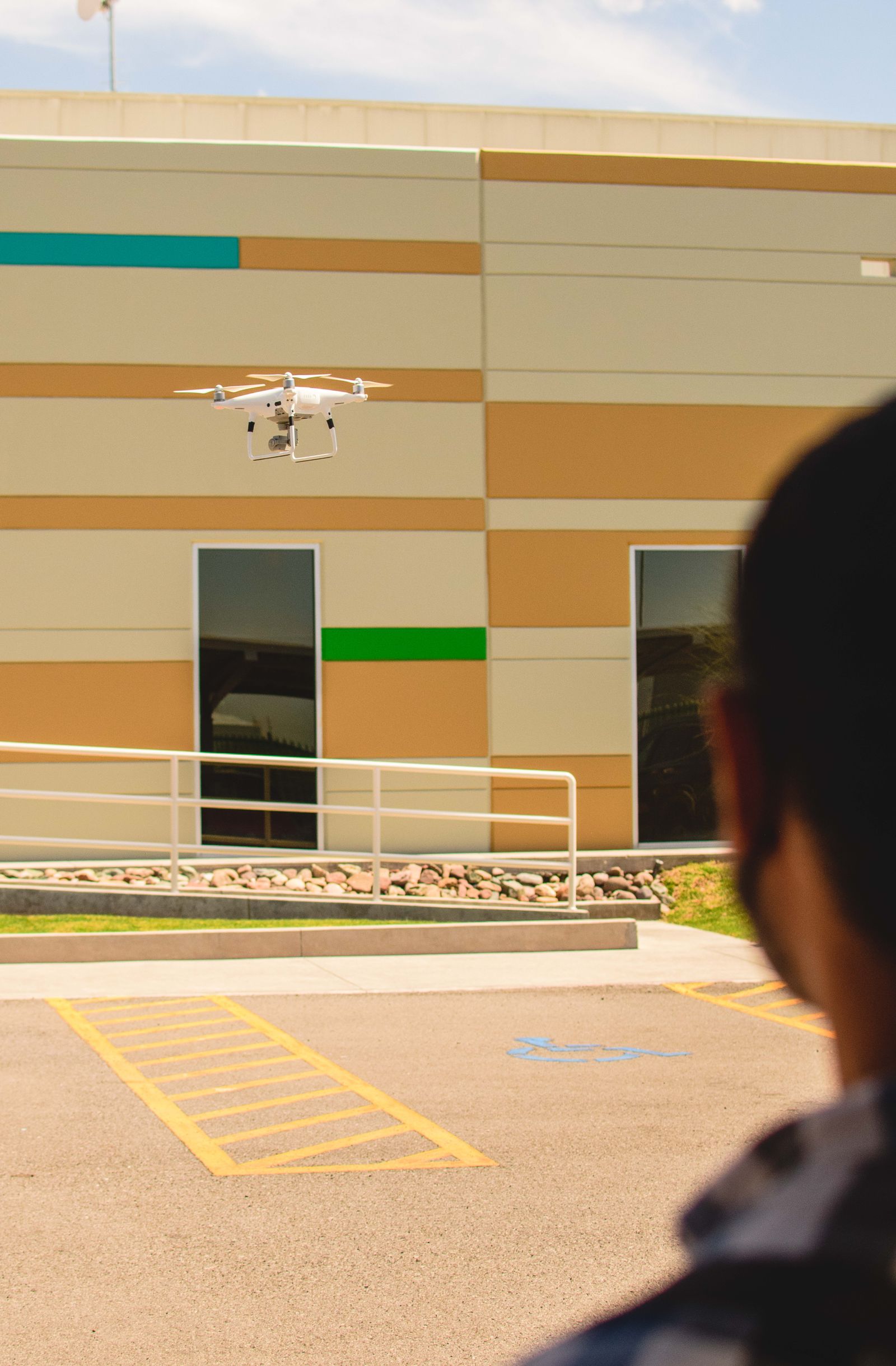
Drone-assisted application or rinsing may be considered for a suitable broad upper elevation when there is a safe launch and recovery area, stand-off distance, visual control, workable wind, public and vehicle separation, and a coordinated ground team. It does not select chemistry, inspect concealed damage, contact-clean glass, detail recessed trim, remove every bonded deposit, or repair a facade. Commercial drone activity remains subject to applicable Federal Aviation Administration requirements. If wind, obstacles, traffic, airspace, or runoff controls do not support aerial work, a water-fed pole, lift, hand detail, roof-access, ground, hybrid, or rescheduled approach may fit better.
Control access, people, and runoff before application
Locate sidewalks, accessible routes, doors, air intakes, cameras, electrical equipment, landscaping, storm inlets, low points, parking aisles, loading zones, neighboring property, and vehicle paths. Topeka sites may drain toward curb inlets, swales, detention areas, river-adjacent low points, parking-deck drains, or pavement joints that carry water farther than expected. The nearest drain is not automatic permission for treated water, sediment, or concentrated residue to enter it. The product, soil load, rinse volume, slope, stormwater system, and site requirements should inform the plan.
Depending on conditions, controls may include diversion, collection, recovery, filtration, reduced rinse volume, plant protection, disposal, or coordination with the responsible authority. Confirm water access, hose routing, barriers, spotters, emergency paths, public separation, and the person authorized to stop work. Closeout notes should identify cleaned elevations, remaining mineral or oxidation marks, visible hail or freeze-thaw conditions, and areas that need repair or restoration instead of more washing.
- Map drains, low points, slopes, landscaping, doors, intakes, vehicles, public routes, and neighboring property.
- Coordinate water access, barriers, hose crossings, deliveries, security, spotters, and emergency access before setup.
- Define pause conditions for unexpected flow, wind, lightning, traffic, standing water, or a changed forecast.
- Document limitations and repair conditions rather than treating a facade defect as a cleaning problem.
Request a Topeka quote tied to the property
A useful commercial quote should identify the service zones, materials, likely soils, test-area expectations, proposed access, operating window, protection, runoff assumptions, weather triggers, included elevations, exclusions, and closeout documentation. It should separate broad facade washing from detailed glass, salt or mineral treatment, rust treatment, construction residue, graffiti, canopy detailing, coating work, masonry repair, and envelope concerns. If aerial assistance is considered, the scope should identify the elevations and the launch, wind, airspace, visual-control, and ground-management conditions required before work begins.
Send the Topeka address, wide and close photos, approximate height, priority elevations, known materials, visible concerns, preferred dates, water access, drainage information, and tenant, customer, delivery, security, patient, or event restrictions. Mention whether the building is downtown, on Kansas Avenue, along Wanamaker Road, near the Kansas River, or in a medical, government, or industrial corridor. Those details help determine whether a remote review, site visit, test area, or hybrid access plan should come next.
Drone Building Cleaners can discuss Topeka offices, retail centers, medical properties, government-facing buildings, mixed-use sites, warehouses, and other commercial exteriors. Call +1 239-351-2897, email contact@dronebuildingcleaners.com, or use the existing quote/contact CTA with the building details. The next step should clarify what can be cleaned, what may remain, which access method fits, and whether another professional should address a repair before washing.